
Aquinas on Grace
"My grace is sufficient for you, for my power is made perfect in weakness" (2 Cor 11:33)


Hello, and welcome to the next edition of the Thomistic Tuesday series!
Today, let us consider what Aquinas taught about grace.
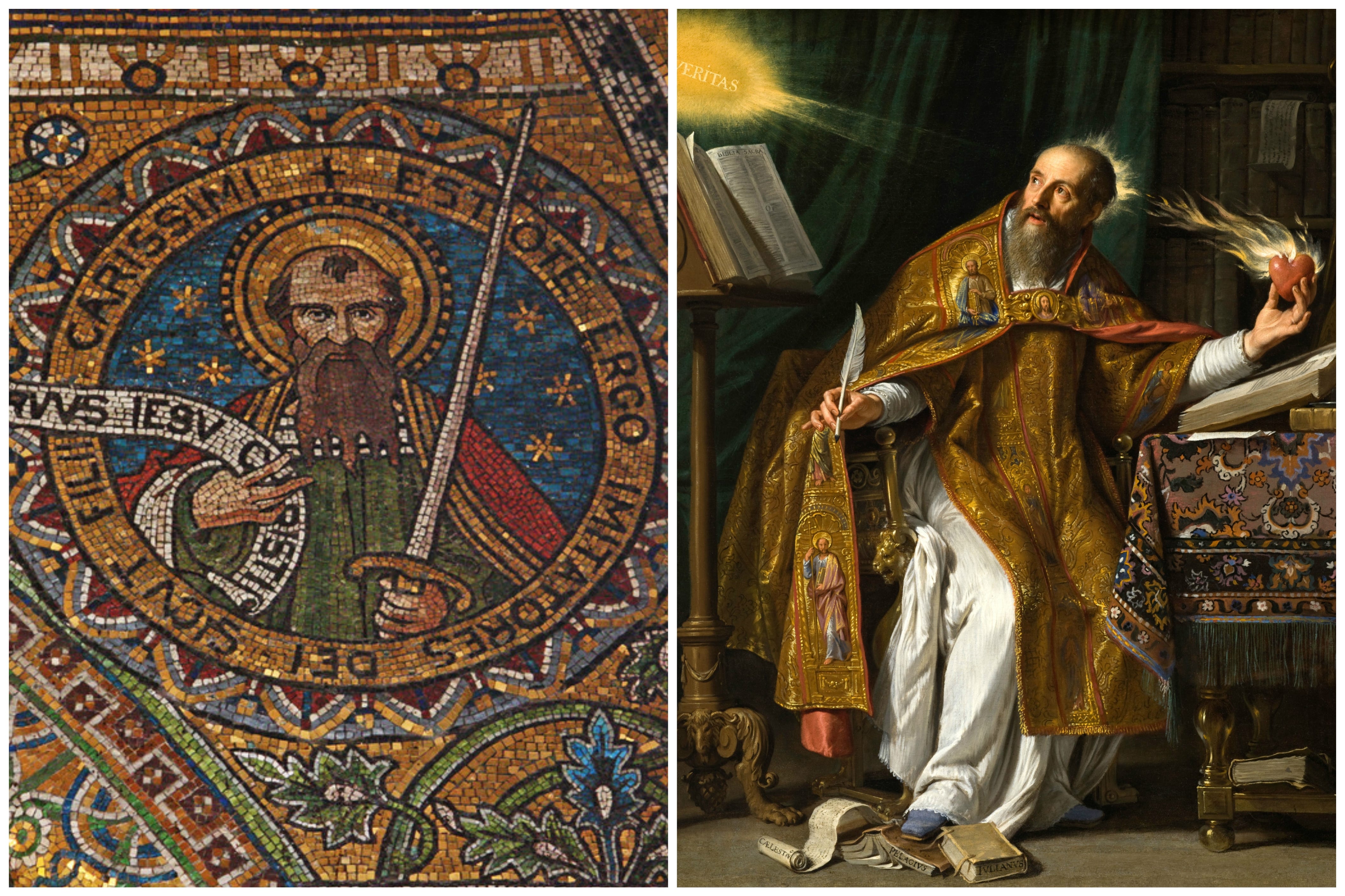
Saint Paul and Saint Augustine of Hippo wrote extensively on the concept of grace. In his letters, Paul attributed the success of his apostolic work to the grace of God. He wrote of this grace not only regarding its significance in salvation but also in contrast to following the laws of the Torah. Many Christians are familiar with Ephesians 2:8, where he writes that we are saved by grace through faith. Saint Augustine, sometimes referred to as the Doctor of Grace, mostly wrote on grace in response to the Pelagian heresy. This heresy claimed human beings can achieve perfection by their own free will, not needing divine grace.
“For it is by grace you have been saved, through faith—and this is not from yourselves, it is the gift of God” (Ephesians 2:8)
But what exactly is grace? Thomas Aquinas, in his Summa Theologica, writes that grace is the qualitative gift of God that enables us humans to participate in the divine life without violating our nature. Simply put, through grace, we become divinized and become like God, albeit in a limited sense. Without grace, Aquinas states, we cannot avoid sin. He also writes that while it is not necessary to understand natural truths, it is essential to grasp transcendent truths and ultimately believe them (Ephesians 2:8).
According to Aquinas, there are five effects of grace: the healing of the soul, the desiring of the good, the doing of the good, the persevering in the good, and the ultimate union with God in heaven. He writes that grace can be categorized into sanctifying grace, gratuitous grace, operating grace, cooperating grace, prevenient grace, and subsequent grace.
By sanctifying grace (given through the sacraments), we are united to God.
By gratuitous grace, others guide us to God (see 1 Cor 12:7).
By operating grace, God works in us to produce good works.
By cooperating grace, we cooperate freely with God working in us.
By prevenient grace, our soul is prepared to receive divine grace.
And by subsequent grace, we are aided in our good works.